

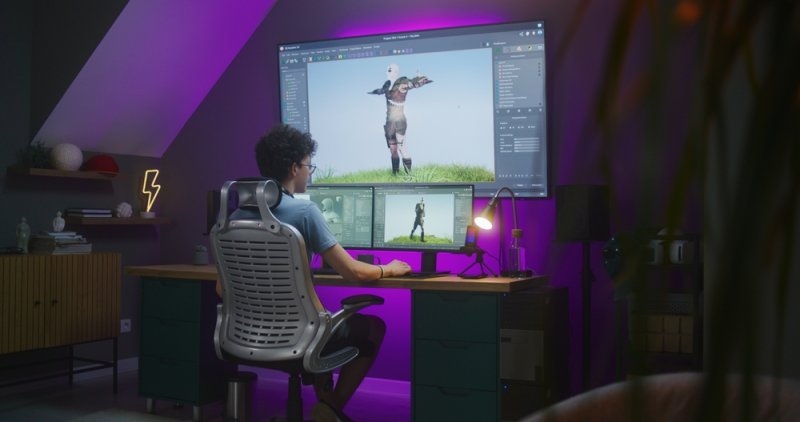
Now animation isn’t just about cartoons. It shapes movies, brings worlds to games, powers ads, and inspires visual art in ways nobody saw coming. Underneath it all, the real story is about artists figuring out how to make still pictures move, how to build imaginary worlds, and how to change the way we experience stories. Hand-drawn experiments turned into digital characters. Every step forward has pulled filmmaking into new territory.
Animation shook things up for visual artists—it handed them new tools to play with. Suddenly, movement wasn’t just something you captured; you could make it up. Time could stretch or snap, and colors could scatter across spaces that nobody had even imagined before. Some techniques looked silly or odd at first, but those experiments ended up reshaping major films. So, that’s what this blog digs into: those big turning points, how animation flipped the script for cinema, and all the clever tricks that keep pushing storytelling.
It all began with pure curiosity. Before anyone ever thought about full-length animated films, inventors were experimenting—trying to make drawings and photos move, just for the thrill of it.
In the 1800s, gizmos like the phenakistoscope and zoetrope flickered images fast enough to fool the eye. These weren’t movies by today’s standards, but they nailed down the basic concept—moving pictures.
Jump to 1906: J. Stuart Blackton’s Humorous Phases of Funny Faces appears. It’s one of those early drawn animations caught on film. Two years later, Émile Cohl releases Fantasmagorie—a surreal ride with morphing line drawings.
Back then, making animated movies demanded patience and grit. Every shift, every smirk, every blink had to be mapped out and drawn or snapped, frame by frame.
That timeline’s packed with small breakthroughs that eventually launched a whole industry:
Every time the tech shifted, artists got braver. Studios had to rethink the way they made movies, and the whole field just kept growing.
Top Pick: Future of Film—How Dolby Atmos and 4D Cinema Redefine Movies
When studios started blending creative vision with smarter methods, animation really took off. It wasn’t just novelty anymore—it could handle deep characters, emotional arcs, and even entire worlds.
Disney didn’t stop there. They polished character acting, brought in musical scores, and coordinated backgrounds—everything got sharper. Movies like Pinocchio and Fantasia showed off what was possible: lively characters, animation dancing with classical music, and production that felt like a well-oiled machine.
The important change was not simply better drawings. Characters began to behave like dramatic actors, with recognizable fears, desires, and personalities.
But animation’s legacy isn’t just about Disney, either. Warner Bros. became famous for their fast-paced, snappy cartoons. Hanna-Barbera learned how to make TV animation work on tighter budgets.
Anime, or Japanese animation, took off in a totally different direction. Akira (1988) and Studio Ghibli’s My Neighbor Totoro (1988) offered new moods, intense action, lush atmospheres, and heartfelt stories.
The point is, animation isn’t a single genre. It’s a medium—sometimes it’s pure comedy, sometimes dark sci-fi, sometimes gentle drama, or even political commentary.
Must Read: The Evolution of Special Effects in Movies: A Complete Guide
There’s a clear difference between traditional filmmaking and animated production. Animation lets directors show things live-action cameras just can’t. Frame-by-frame animation means you plan every move, every pose.
Digital workflows now let artists build 3D characters, tweak lighting, and shift movements—no need to redraw everything.
Then Pixar’s Toy Story (1995) changed the game: a full-length movie built entirely with computer-generated imagery. Later films blended digital characters with realistic environments and rich textures.
Still, all the technical wizardry in the world won’t save you from flat storytelling. If a character moves perfectly but doesn’t mean anything, it’ll feel empty.
| Feature | Traditional animation | Digital animation |
|---|---|---|
| Main process | Drawings created frame by frame | Images created using software |
| Visual style | Often emphasizes line, texture, and illustration | Ranges from stylized to photorealistic |
| Editing changes | May require redrawing or repainting | Many elements can be revised digitally. |
| Production needs | Drawing teams and physical or digital artwork | Software, computing power, and specialized artists |
| Creative strength | Distinctive hand-crafted expression | Flexible camera movement and complex environments |
Neither approach wins by default. The right choice depends on your story, your budget, and what kind of look you’re going for.
And you know what? These animation tricks aren’t just for cartoons anymore. You see them all the time in live-action films—digital creatures, animated scenery, and explosions that feel real.
Jurassic Park (1993) nailed that combo, mixing digital dinos with old-school effects. Motion capture, virtual doubles, and digital landscapes—they all became standard tricks.
At some point, the line between animation and live-action started to blur. But underneath it all, it’s still about timing, movement, composition, and lighting.
But animation doesn’t just stick to movie screens. Its techniques leak into illustration, graphic design, music videos, ads, interactive art, and digital installations.
Animation lets you mess with shape, scale, rhythm, and perspective. A building bends, a character turns into a teapot, and a landscape slides between realistic and abstract. Often, that says more than a single still image ever could.
Indie animators get creative: limited movement, collage, painted textures, odd pacing—those quirks become their signature style. Not everything needs to look polished or realistic.
It’s absolutely everywhere:
Animation is stitched into everyday life now. It’s not just for the movies. It shapes how we see stories, brands, and, honestly, how we imagine pretty much anything.
Must Read: 8 Film Technology Innovations That Changed the History of Cannes
The whole history of animation is really about how people keep finding new ways to create and experience moving images. It began with optical tricks and hand-drawn movies, then pushed through to TV cartoons, computer films, and wild new digital art. Each shift widened what was possible without wiping out what came before. Traditional drawing still gives artists a kind of raw expression you just can’t fake, while digital tools add flexibility and scale that are hard to beat.
Animation changed live-action movies too, especially visual effects and interactive entertainment. It brought filmmakers the power to show things regular cameras just can’t capture. Sure, technology keeps moving, but the core challenge stays the same: make pictures move so they communicate, stir emotion, and hold people’s attention.
It all started with optical toys and sequential drawings—basically, a bunch of still images that, when viewed in quick succession, look like they’re moving. Stop-motion and hand-drawn animation came next and shaped early films.
Frame rate is huge—it decides how many images flicker by each second. That changes how smooth the motion feels. Timing’s just as important; using fewer frames can create a stylized look if you want something a bit different.
Rotoscoping means tracing over live-action footage, turning real movement into animation. It lets artists get realistic motion but still tweak the characters and visuals for style.
Absolutely. Documentaries use animation to break down complex topics, recreate events, or show moments where there’s no real footage. The trick is making it clear when animation is just illustrating, not showing actual recorded evidence.
Animation artists need to draw, observe details, tell stories, understand timing, and really know how things move. Software skills help, but strong visual judgment is what makes the animation believable and genuinely engaging.
This content was created by AI