

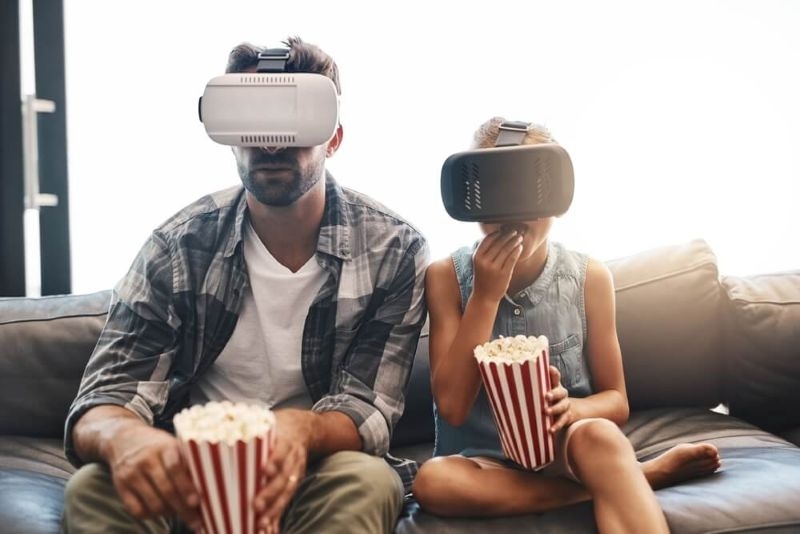
Movies have always been a little bit immersive. The lights go down, the world outside fades, and for two hours the audience lives somewhere else. But now “somewhere else” is getting more literal. Seats shake. Sound comes from behind your shoulder. The screen wraps around you. And in some cases, the story doesn’t just play in front of you, it reacts to you.
That’s the promise of Immersive cinema. It is not just a bigger screen or louder speakers. It is cinema that tries to feel like an experience you’re inside, not a story you’re watching from a safe distance.
The big question is: will this become the new normal, or stay a cool niche for the curious and brave?
The phrase “immersive” gets tossed around a lot, but people are noticing it more because the baseline has changed. Streaming made it easy to watch anything at home. Theaters now have to give audiences something they cannot replicate with a couch and a subscription.
That pressure is shaping the Future of movie theaters. Multiplexes are experimenting with premium formats. Indie venues are mixing film with live elements. Tech companies are pushing headset-based storytelling. And audiences are showing up when it feels fresh.
It is less about replacing traditional movies and more about expanding the menu. Some people want quiet storytelling. Others want a sensory ride. Both can exist.
Immersion is usually created through a mix of sensory cues and story design. The tech matters, but the storytelling decisions matter just as much.
Common tools include:
The goal is to reduce the feeling of distance between the viewer and the story. When done well, it feels natural. When done poorly, it feels like being poked by technology.
Virtual reality movies sit in a different category than traditional theater experiences. Instead of sitting and watching a framed screen, viewers enter a world. They can look around, notice details, and feel present in the scene.
This is exciting, but it comes with trade-offs:
Still, VR offers something special: presence. If a character whispers behind the viewer, it lands differently. If the viewer stands in the middle of a scene, the emotional impact can spike.
That’s why VR filmmaking is becoming its own craft. It requires creators to think about space, timing, and attention in a totally different way.
Augmented reality cinema is the idea of layering digital content onto the real environment. Think of it as the movie leaking out of the screen and into the room.
This could show up in a few ways:
AR can make the theater feel alive. But it also risks distraction. If audiences spend more time looking at overlays than the story, the magic breaks. The best AR will likely be subtle, timed, and purposeful.
Interactive films are not brand new, but immersive tech makes them feel more possible and more natural. Instead of passive viewing, audiences can influence choices, plot direction, or even the point of view.
There are different levels of interactivity:
The big challenge is keeping the story strong. A film can’t feel like a random menu of options. It needs structure. Interactivity should deepen emotion, not turn storytelling into a gimmick.
You May Also Like: 8 Film Technology Innovations That Changed History of Cannes
People keep predicting theaters will die, but theaters have survived television, home video, and streaming. They adapt.
In many ways, the Future of movie theaters looks like “less ordinary, more special.” That could mean:
A theater is still the easiest place to create shared emotion. Laughing with a room full of strangers hits differently. So does silence during a tense scene. That collective energy is hard to replicate at home.
Traditional filmmaking is framed. The director controls what the audience sees by choosing shots, cuts, and angles. Immersion breaks that control.
In VR and some interactive formats, the audience can look away. They can miss things. That sounds risky, but it also creates opportunity. It forces creators to guide attention through sound, movement, light, and pacing.
This is why VR filmmaking often feels closer to theater stage design than classic film editing. The creator builds a world and choreographs the viewer’s attention, instead of cutting to force it.
It is a different muscle. Some filmmakers will love it. Some will hate it.
Immersive sounds cool, but it is not friction-free.
A few challenges keep showing up:
And there is the human factor. Some viewers simply want to sit back and watch. Not everyone wants to “participate.” That’s okay. Immersion should be an option, not a requirement.
The most likely future is a blended one.
Immersion will become a layer, not a replacement. Like how color did not replace black-and-white immediately, it added another standard over time.
And the best immersive experiences will be the ones that make people forget the tech exists. The moment someone says, “Wow, the seat moved,” the story can lose grip. The moment they say, “I felt like I was there,” the format wins.
When cinema becomes more experiential, it can deepen emotion. It can bring audiences back into theaters for something they cannot pirate or scroll past. It can also open creative doors for filmmakers who have fresh ideas and no patience for old rules.
Done right, Immersive cinema will not make movies louder. It will make them closer.
Do Read: Types of Movie Producers Every Filmmaker Should Know
It is cinema designed to make viewers feel inside the experience using advanced sound, visuals, physical effects, VR, AR, or interactive storytelling.
Not exactly. VR movies often place the viewer in a scene with freedom to look around, so the storytelling style changes compared to traditional framed filmmaking.
Unlikely. Interactive films will grow as a category, but many audiences still prefer classic storytelling where they can simply watch and feel the story unfold.
This content was created by AI