

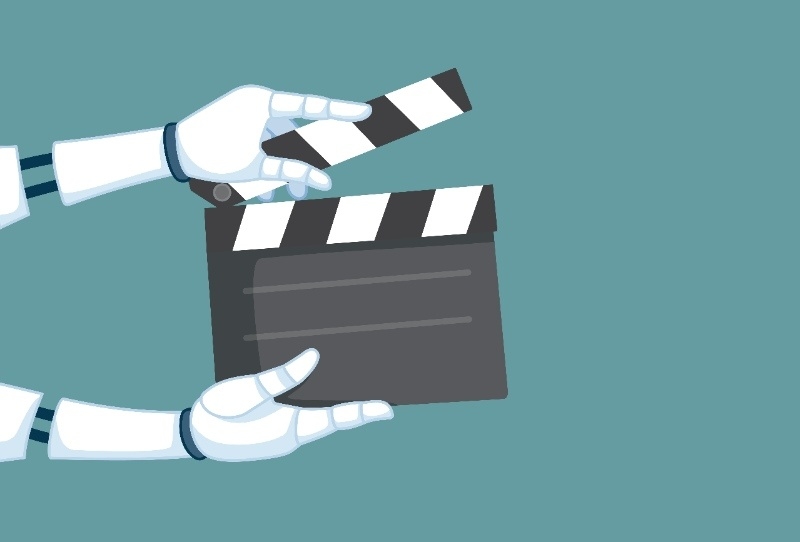
The introduction of AI used in moviemaking has changed the production process forever. The advancement of CGI technology enables filmmakers to use AI to automate the editing process and take advantage of new tools and techniques, resulting in a more efficient and effective filmmaking process. More and more film studios are using AI tools, enabling faster, clearer, and more creative films than ever before.
Using AI has allowed filmmakers to become much more productive in their work and complete projects more efficiently by leveraging technology across other areas of the filmmaking process, including workflow optimization and creativity enhancement.
AI technology helps filmmaking by providing filmmakers with capabilities such as quickly analyzing scripts, researching audiences, and ultimately helping them make well-informed decisions during the production phase of movies. With these tools available, filmmakers will be able to reduce production risk, improve planning, and develop more effective ways to deliver their content to customers.
Automated film editing is an extreme example of how powerful AI has become in film production. Editors are using artificial intelligence-driven software to cut scenes, synchronize audio and video, and enhance visual appearance. All these benefits not only save an editor time but also ensure the same high-quality outcome, no matter which project is being worked on.
Trends in current CGI technology include using AI applications to develop and create more realistic-looking environments and characters. AI can accurately replicate lighting, texture, and movement, reducing the need for reshoots and allowing manual fixes to occur less frequently.
AI can analyze viewer engagement and trends to guide film creation. This will ensure that, as films are developed, they have a better creative/consumer fit by aligning with audience expectations while remaining original enough to allow future filmmakers to use unique creativity to create films that resonate with their target audiences.
Explore This Topic: Immersive Shows Are Reshaping Live Entertainment in 2025
Think of all the ways technology has changed how we create films; from using computers for writing your screenplay to performing special effects, every step is impacted by advanced technologies that improve efficiency and creativity.
Overall, advancements made today will shorten the production timeline and reduce costs, enabling creatives to spend more time telling their story and creating their work of art. Furthermore, AI has begun to streamline film production by introducing new tools and methods that enable film studios of every size to achieve greater accessibility and scalability, allowing filmmakers to produce higher-quality work faster.
Script analysis tools allow screenwriters to analyze scripts using metrics based on screenplay structure/story structure and audience desirability, which can then help improve narrative development through a refined narrative and increase overall narrative quality.
Movie editors can use AI platforms that automatically process edits and clips, identifying the best possible take for each shot and suggesting transitions, thereby reducing the amount of editing work needed.
AI has also changed how we use CGI to create visual effects by automating many of the steps needed to achieve CGI-level graphic design and production, saving time and resources and enabling the creation of high-quality visual products.
Finally, AI technologies are rapidly improving sound production through artificial voice generation (mainly driven by machine learning) and enhanced clarity of sound elements, enabling voice reconstruction via both technical and creative means, thereby creating more versatile content and optimizing accessibility worldwide.
In the future, AI technology in filmmaking will continue to advance, amplifying filmmakers' creativity and efficiency beyond what is currently possible.
AI will enable filmmakers to use user-generated data to create unique viewing experiences tailored to each audience member's preferences. This would be a huge improvement over what is currently offered in filmmaking.
CGI technology will increasingly enable filmmakers to create digital backgrounds and other digital environments faster than ever before. This also translates into additional cost savings during production by providing new avenues for experimentation during the filmmaking process.
AI tools complement—not replace—human creativity, allowing filmmakers to leverage them in support of their artistic vision, which lets them put more emphasis on storytelling while also relinquishing many of the technical and complex aspects of the filmmaking process to artificial intelligence.
Don’t Miss This: The Role of AI in Scriptwriting: Filmmaking Processes
With AI now reducing the barriers to entry for independent filmmakers, there is a greater opportunity for independent film projects than ever before. These filmmakers can create quality films without taking the traditional route through a major studio. AI will continue to play a key role in creating high-quality films by increasing independent filmmakers' capacity to produce original content.
There is no denying how much AI has changed how films are made. AI has made it easier to create movies by improving workflow efficiency at every step of the filmmaking process, from script development to post-production editing. Movie editing automation, CGI technology developments, and many of the AI tools available in the film business today will help define how innovation and efficient production will shape the future of the cinema industry and help filmmakers stay ahead of their competition if they utilize these new technologies within their own filmmaking business to allow them to continue being leaders in the innovative age of video production.
Using data insights, filmmakers can customize marketing efforts. AI can help determine preferred demographics to increase engagement with entertainment on global platforms while providing filmmakers with the opportunity to develop effective marketing techniques based on current viewer trends.
AI will reduce costs for a film company by automating many of the repetitive, time-consuming tasks involved in film production, such as editing, visual effects, and scheduling. For independent filmmakers, this allows for more high-quality productions without having large budgets.
The use of AI to analyze prior performance, audience preferences, and past successes and failures will enable a casting director to determine the most appropriate actors for a film. AI will enable predictive analytics to determine who best fits the film's mood or tone and find actors the audience will most likely enjoy watching in that film.
Excessive reliance on AI in filmmaking can hinder the creation of unique, imaginative projects. There are concerns about information security for personal data and about losing jobs to automation. Filmmakers must use technology alongside their creative instincts to ethically create artwork and preserve the artist's intent and the story of modern cinema.
The use of AI enables the optimization of film distribution by analyzing and identifying distribution patterns unique to each region, ultimately providing distribution recommendations. AI enables streaming companies to deliver the right movie at the right time to the right audience, expanding access to entertainment, increasing viewer satisfaction, and enabling films to reach both local and international markets.
This content was created by AI